本記事は英語のみご用意しています。
How to Help My Baby Develop Their Pincer Grasp (2026 Guide)
The pincer grasp is the quiet milestone that unlocks self-feeding, writing and independence. A practical 2026 guide for parents and caregivers.
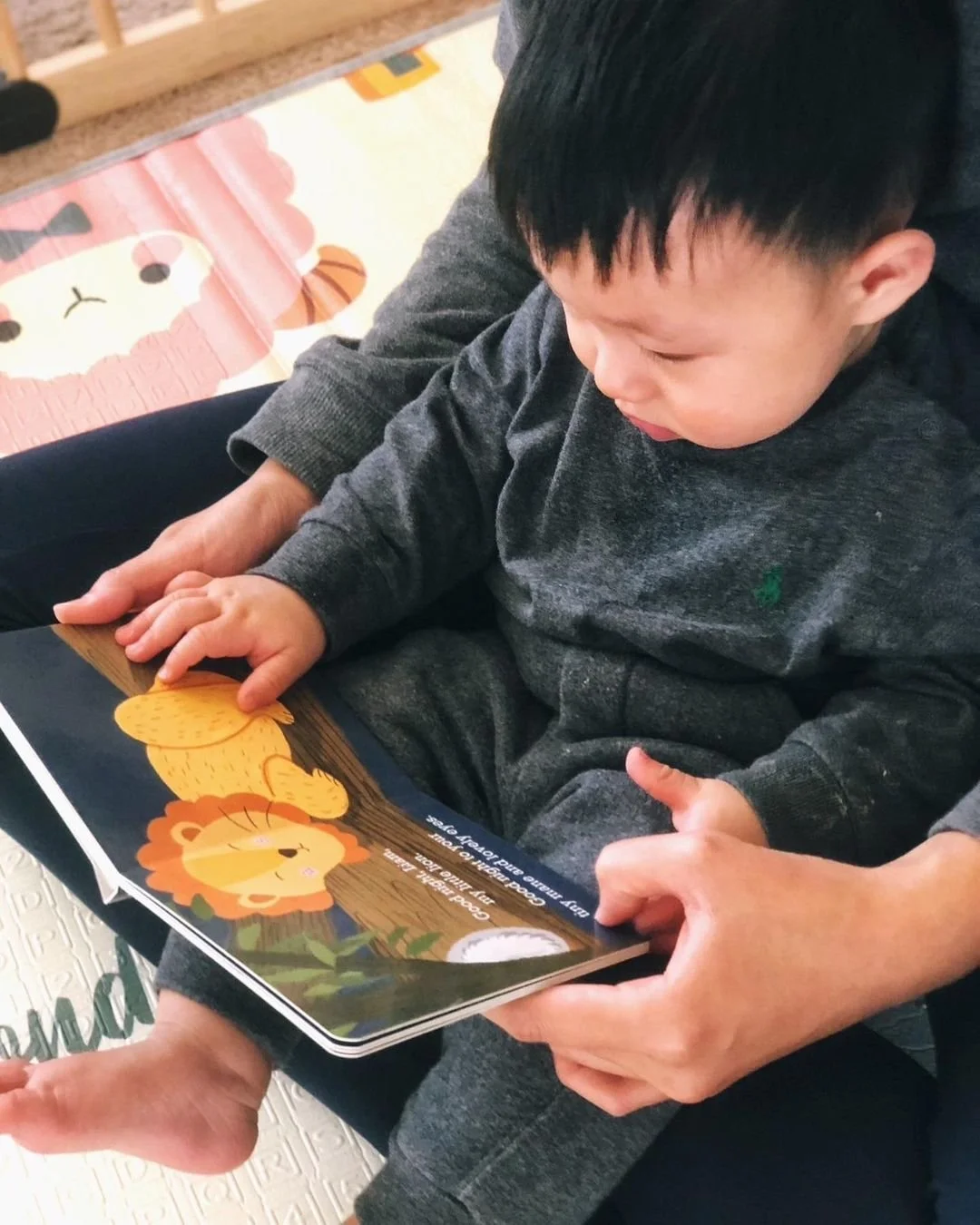
Of all the milestones in your baby's first two years, the pincer grasp is the one most parents underestimate. It looks small — a thumb meeting an index finger to lift a single Cheerio — but it is the gateway to self-feeding, drawing, dressing, and eventually holding a pencil. Occupational therapists call it the foundation of fine-motor independence.
This 2026 guide walks you through what the pincer grasp actually is, when to expect it, the warning signs worth raising with your pediatrician, and nine evidence-based activities you can do at home with toys you already own.
What is the pincer grasp?
The pincer grasp is the ability to pick up a small object using only the thumb and index finger. It develops in stages:
| Stage | Typical age | What it looks like |
|---|---|---|
| Raking grasp | 6–7 months | Baby drags objects toward themselves with all four fingers, no thumb |
| Inferior pincer | 7–8 months | Thumb starts to oppose the pad of the index finger |
| Neat (superior) pincer | 9–12 months | Thumb tip meets index fingertip — small objects lifted cleanly |
| Refined pincer | 12–15 months | Controlled release; can drop a raisin into a narrow cup |
Knowing the stages helps you celebrate the small wins — and it tells you which activity to introduce next.
Why the pincer grasp matters more than you think
- Self-feeding. Without a pincer grasp, finger foods are frustrating. With it, your baby graduates from purées to autonomy.
- Cognitive development. Fine-motor precision and language acquisition develop on overlapping brain circuits. Babies with strong fine-motor skills tend to show earlier vocabulary growth.
- School readiness. A weak pincer grasp at age 3 is one of the strongest predictors of difficulty holding a pencil at age 5.
- Confidence. Toddlers who can do things themselves — zip a zipper, pick up a sticker — build the early sense of agency that fuels independent play.
When to talk to your pediatrician
Every baby develops on their own timeline, but raise it with your pediatrician if:
- By 10 months your baby is still raking with the whole hand and shows no thumb involvement.
- By 12 months they cannot pick up small objects at all (and you've offered safe opportunities).
- They strongly prefer one hand before their first birthday — true handedness usually emerges between 2 and 4 years; a very early preference can signal a weakness on the other side.
- They drop objects constantly, with no controlled release by 15 months.
These aren't reasons to panic — they're reasons to ask. Early occupational-therapy referrals are remarkably effective at this age.
9 expert-backed activities to develop the pincer grasp
You don't need specialised equipment. The best pincer-grasp activities use everyday objects and a little supervision.
1. Cheerios, blueberries and puffs
The classic for a reason. Place 5–6 pieces on the high-chair tray. The combination of visible target, food reward, and repetition is hard to beat. Always supervise and choose pieces that dissolve or squash easily.
2. Sticker peeling
Around 12 months, partially lift the corner of a sticker so your toddler can finish the peel. The pinch-and-pull motion is exactly the movement we want. Bonus: it's a great quiet-time activity in waiting rooms.
3. Tearing paper
Hand your baby an old magazine or newspaper. Tearing requires both hands working in opposition — a sister skill to the pincer grasp called bilateral coordination.
4. Posting games
Cut a slot in a shoebox lid and let your toddler "post" coins (large, supervised), pasta tubes, or wooden discs through it. The aim-and-release element is exactly what's missing in early pincer attempts.
5. Play-dough pinches
Make tiny "snakes" of play-dough and ask your toddler to pinch them into smaller pieces. The resistance strengthens the small muscles of the hand — the same muscles that will one day hold a pencil.
6. Stacking blocks and cups
Building a tower forces precise grip and controlled release. Start with chunky wooden blocks; graduate to smaller ones as the grip refines. (Our top picks for fine-motor toys live in The BabyLux Collection.)
7. Crayon scribbling
By 12–15 months, offer a short, chunky crayon — broken into 2-inch pieces if needed. The shortness forces a fingertip grip rather than a fist grip, building the muscle pattern for future writing.
8. Tweezers and tongs play
Around 18 months, give your toddler a pair of child-safe tongs and a bowl of pom-poms to transfer. This is a Montessori classic because it externalises the pincer movement into a tool — pure fine-motor training.
9. Lacing and threading
Large wooden beads on a stiff lace, or pasta tubes on a pipe cleaner. Threading is the most advanced activity on this list and a sign your toddler's pincer grasp is well established.
A weekly rhythm that works
You don't need to do all nine. Pick three and rotate. A workable weekly rhythm:
- Mealtimes: finger foods every day
- Mornings: one fine-motor activity (stickers, posting, tongs)
- Afternoons: one open-ended activity (play-dough, crayons, blocks)
Ten focused minutes a day, repeated for a few weeks, is enough to move most babies through a pincer-grasp stage.
Safety first
Anything small enough to develop the pincer grasp is also small enough to choke on. Always:
- Sit your baby upright during finger-food practice.
- Stay within arm's reach.
- Use the toilet-paper-roll test: if it fits through, it's too small for unsupervised play.
The bigger picture
The pincer grasp is one of those milestones that disappears into the background as soon as your child masters it — but it quietly powers nearly everything that comes next. A few weeks of intentional play in your baby's first year pays dividends for years.
If you'd like a curated shortlist of fine-motor toys tested by our team, browse our Strategic Assets collection or meet the carried brands we trust for early childhood development.
アジアでの独占ディストリビューションパートナーをお探しですか?
お問い合わせ