Emulait Anatomy Bottle With Responsive Flow by Emulait: Finalist JPMA Innovation Awards 2024 (Finalist - Feeding) | A BabyLux Editorial Pick for Taiwan & Japan
Discover the Emulait Anatomy Bottle With Responsive Flow: a thoughtful feeding design explored through its origins, details and family relevance.

Source: JPMA INNOVATION AWARDS ↗
At the kitchen table, one parent settles into a chair while the other moves a cooling cup of tea out of reach. The room is quiet, but the moment is full: a small hand opening, a shoulder relaxing, an adult watching closely rather than looking at the clock. Feeding brings design into unusually intimate territory. An object must belong not just in a home, but within a relationship. For BabyLux Asia, this is the most interesting way to approach Emulait—not as another accessory to arrange on a shelf, but as a proposal about what deserves attention during an ordinary, absorbing family ritual.
The story behind Emulait
Founded in the United States in 2019 by Shilo Ben Zeev, Emulait Inc. works in the field of biomimetic baby bottles. That starting point gives the brand a particular editorial interest: biology becomes a reference for product design, rather than simply a subject for its visual identity.
There is something compelling about beginning with a familiar act and asking whether its supporting object could be conceived differently. In parenting, innovation need not mean introducing another activity, another screen or another task. It can mean reconsidering something already woven into the day.
Read in that light, Emulait’s philosophy is about the relationship between a product and its user. The attraction is not novelty for its own sake, but the possibility of a more considered interaction. This is a useful lens for understanding the brand without turning a design intention into a promise about every family’s experience.
What the award entry highlights
The product was named a 2024 JPMA Innovation Awards Finalist in the Feeding/Bathing/Changing Category. The award entry places it within a broader field of products concerned with everyday care, rather than presenting it as an isolated design object.
The award entry is a finalist announcement. Its product-specific content identifies the bottle in the category list; it does not offer an individual assessment of its performance. The distinction matters editorially: recognition can be reported clearly without making it carry a larger claim.
Across the competition, winners were to be selected in 11 categories, alongside four top awards: Best In Show, Editor’s Pick, Tried and True, and Parent’s Pick. That breadth frames the programme as a survey of different approaches to family life, from practical routines to the objects that support them.
For this feature, the most relevant point is the context of care. A feeding product is considered among designs intended to participate in daily life, where usefulness is encountered through repetition rather than a single impressive demonstration.
What makes it different
The defining construction detail is a soft, extensible nipple, paired with a flow approach controlled by the baby’s sucking. Here, the design proposition moves beyond the bottle’s outline to the behaviour of the part involved in feeding.
These details invite a different kind of attention from the usual visual appraisal of an object. A photograph might encourage someone to consider silhouette or colour; this design asks the reader to think about movement, flexibility and interaction. Its interest lies in what happens during use, not simply in how it appears beforehand.
The distinction is worth keeping precise. Rather than making a sweeping comparison with every conventional bottle, the more useful question is what this particular construction prioritises. Its emphasis is on a dynamic relationship between the feeding action and the product.
For a premium parenting edit, that offers a meaningful definition of considered design. Sophistication does not have to announce itself through decoration. It may reside in a functional detail that requires explanation to appreciate—and in the discipline of keeping that detail central to the story.
Living and learning with it
The domestic lens here is shared use: the quiet coordination between a child and the adult offering a feed. It is not a play proposition, and the editorial emphasis belongs on the care moment rather than on entertainment or developmental milestones.
One caregiver may take a turn while another steps away; at another time, the moment may belong entirely to one adult and child. These are familiar ways of imagining the setting, not prescribed routines. Every household brings its own arrangements, and a product should not become an instruction about what family life ought to look like.
For readers thinking about a small home, the most useful perspective is similarly restrained. Consider the object in relation to the routine it will join, rather than imagining an elaborate dedicated corner around it. The appeal of a thoughtful parenting purchase can be its relevance to an existing activity, not the amount of domestic theatre it creates.
Why it could resonate in Taiwan and Japan
For families in Taiwan and Japan, the strongest editorial connection is the brand’s focus on an everyday interaction. That is a more grounded point of relevance than assuming a shared regional aesthetic or a single preferred way to parent.
The design could interest readers who want the reasoning behind a product to be as compelling as its presentation. In a carefully chosen family edit, an object earns attention when there is a clear idea to discuss—not merely a polished image to admire.
There is also value in leaving room for individual priorities. Some readers approach parenting products through their functional concept; others begin with the experience they hope to create at home. Emulait offers a subject for that conversation without requiring either audience to adopt an idealised household identity.
For BabyLux Asia, the opportunity is to present the design with clarity and warmth, allowing readers in both markets to consider its relevance on their own terms.
FAQ
When did the JPMA Innovation Awards begin?
The programme began in 1989 as the Most Innovative Product Contest. JPMA renamed it the Innovation Awards in 2003 to reflect its focus more accurately.
Who selected the finalists?
The organiser states that the selection panel comprised safety experts, journalists and retailers. This describes the panel’s composition, rather than a product-specific endorsement from any individual member.
Where was the winners’ announcement scheduled to take place?
The organiser scheduled the announcement for Sunday, October 13, 2024, at Prego Expo in Chicago, Illinois.
Editor's note
The most enduring parenting objects are often considered at close range, in moments too ordinary to photograph. Our interest here is in the thought behind the object—and in making space for families to decide what feels meaningful within their own days. Good design deserves curiosity, but the family remains the centre of the story.
If you are building a brand like this, we would love to talk about bringing it to families in Taiwan and Japan. Partner with BabyLux Asia
An editorial selection by BabyLux Asia. BabyLux is not currently the distributor of this brand.
Frequently Asked Questions
When did the JPMA Innovation Awards begin?
The programme began in 1989 as the Most Innovative Product Contest. JPMA renamed it the Innovation Awards in 2003 to reflect its focus more accurately.
Who selected the finalists?
The organiser states that the selection panel comprised safety experts, journalists and retailers. This describes the panel’s composition, rather than a product-specific endorsement from any individual member.
Where was the winners’ announcement scheduled to take place?
The organiser scheduled the announcement for Sunday, October 13, 2024, at Prego Expo in Chicago, Illinois.
Looking for an exclusive distribution partner in Asia?
Begin a Conversation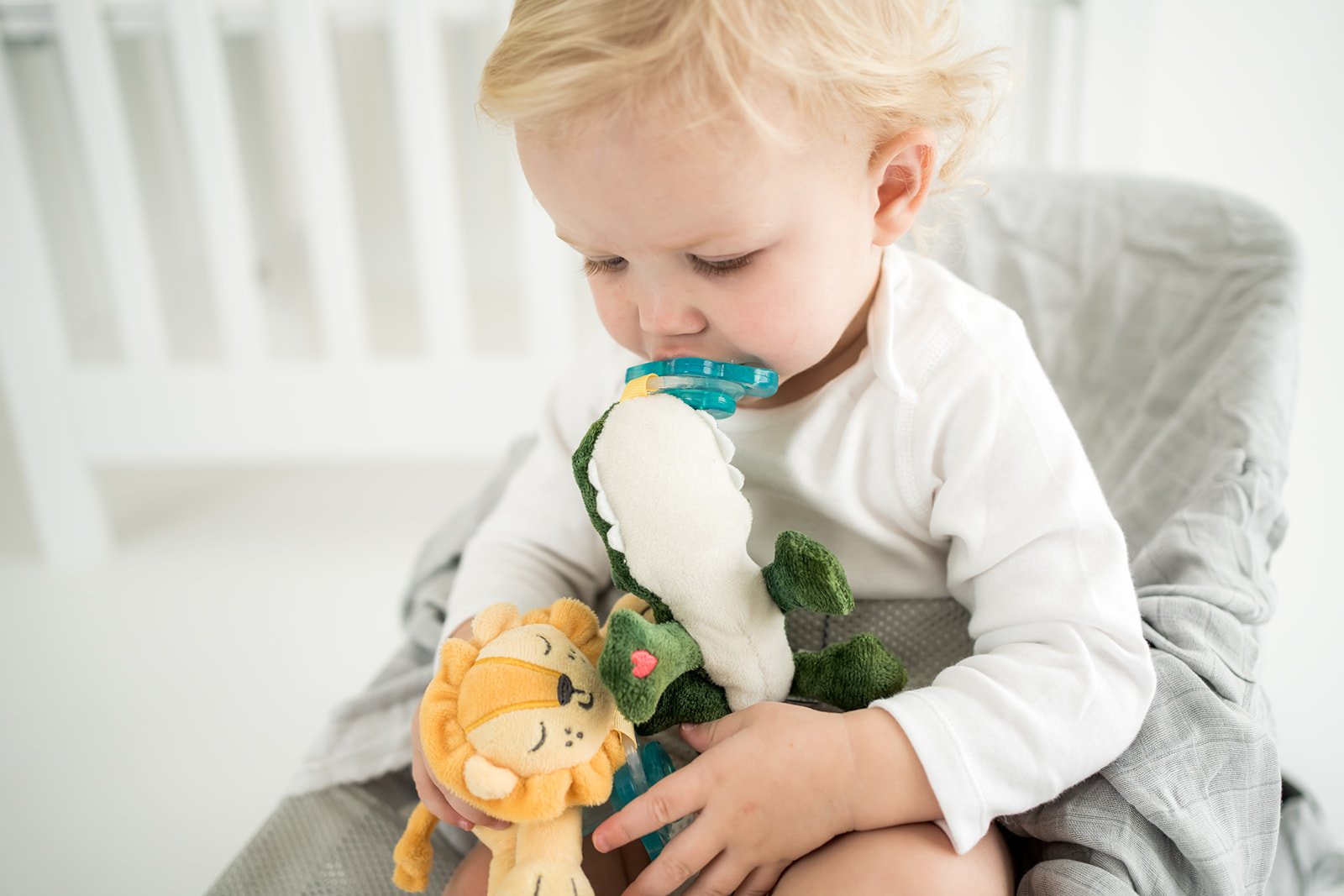
Halooobaby 3 Stage Chewing Toy: Iron A' Design Award 2025–2026 (Baby, Kids' and Children's Products) | A BabyLux Editorial Pick for Taiwan & Japan
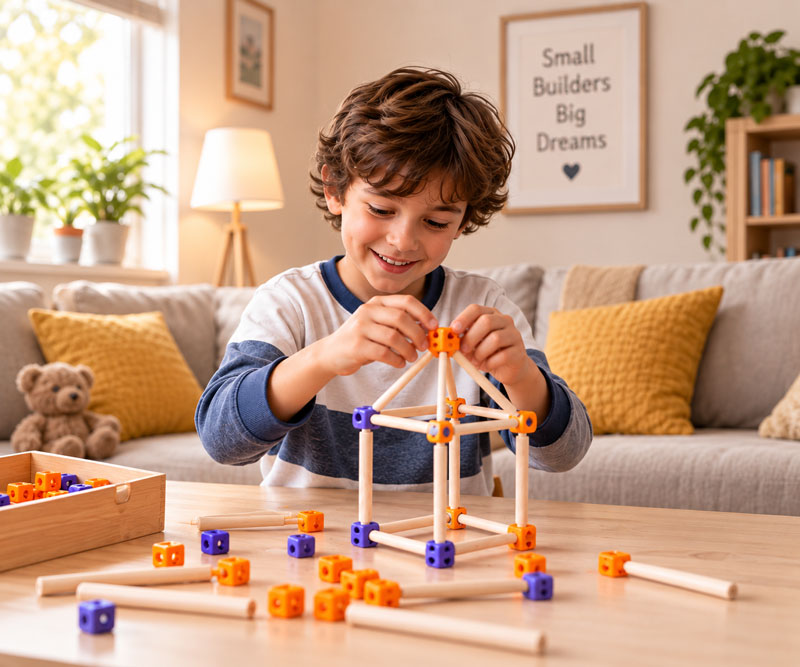
Beaver Edu Construction Kit by Beaver Edu SAL: 2026 ToyAward Startup Winner | A BabyLux Editorial Pick for Taiwan & Japan